Best Audio Interfaces 2026

Your DAC is Your Lens.
Think of your Audio Interface like a camera lens. If the glass is dirty, it doesn't matter how beautiful the scene is-the picture will look bad. The same applies to audio. If your interface has cheap converters or noisy preamps, your $3,000 synth will sound like a $5 toy.
In 2026, you don't need to spend a fortune to get studio-quality conversion, but you do need to know which brands cut corners and which ones deliver.
The 2026 Hit List
| Interface | Best For | The Verdict |
|---|---|---|
| Focusrite Scarlett 4i4 (4th Gen) | The All-Rounder | The new converters are from their flagship "Red" line. Incredible value. |
| Universal Audio Volt 276 | Character / Vibe | Built-in analog compressor gives vocals and bass instant "glue." |
| Audient iD14 MKII | Best Preamps | Console-grade preamps in a desktop box. Best for recording vocals. |
| RME Babyface Pro FS | The Professional | Rock-solid drivers. It simply never crashes. The touring standard. |
| Arturia MiniFuse 2 | Budget / Hub | Includes a USB hub for your dongles/keys. Great for portable rigs. |
1. The Standard: Focusrite Scarlett 4th Gen
For years, the Scarlett was just "the beginner one." With the 4th Generation, that changed. Focusrite put the converters from their flagship RedNet series (used in pro studios) into these entry-level boxes.
Why it wins: 120dB dynamic range and "Air Mode" which adds high-end shimmer to vocals automatically. It's no longer just a starter interface; it's a serious tool.

2. The Character King: Universal Audio Volt 276
Most interfaces try to be "transparent" (clean). The Volt tries to be "dirty" (in a good way). It features a built-in analog compressor based on the legendary 1176.
Why it wins: If you record Bass Guitar or Vocals, engaging the "Vintage" button adds immediate warmth and punch before the signal even hits your DAW. It saves you mixing time later.

3. The End Game: RME Babyface Pro FS
Ask any touring playback engineer what they use, and they will say RME. Why? Because it never crashes.
Why it wins: RME writes their own drivers (most companies outsource this). This results in the lowest latency possible on USB. If you run heavy projects with 100+ tracks and need zero clicks or pops, this is the investment you make.
4. The Connectivity Beast: MOTU M6
If you have hardware synths, you need inputs. The MOTU M6 offers incredible metering (a full LCD screen) and enough inputs to run a small hardware jam setup without needing a mixer.
Why it wins: The "Loopback" feature is flawless, making it perfect for sampling audio directly from YouTube or Spotify into your DAW.

What Actually Matters in 2026?
Ignore the marketing fluff. Here is your checklist:
- Loopback: Essential for sampling. Allows you to record your computer's audio output directly into your DAW.
- USB-C Bus Power: You don't want a power brick. Your laptop should power your interface.
- Headphone Ohm Rating: Can it drive high-impedance headphones (like the Sennheiser HD650)? The Volt and Motu M-Series excel here.
Fuel Your Studio
Once you have the hardware, you need the sounds. Here are the essential packs to test your new preamps and converters.

CODE BLACK
Test your low-end response with these massive Midtempo basses.

ERA
Visceral, wide stereo tearout sounds to test your stereo imaging.

RIDDIM UNLEASHED
Punchy, transient-heavy samples to check your converter speed.
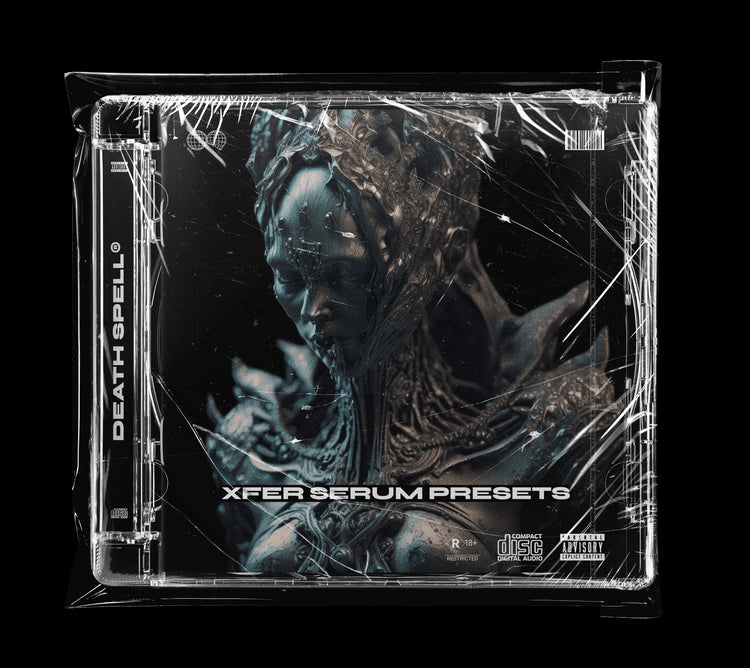
DEATH SPELL
Deep, growling bass design inspired by Skrillex.
The Ultimate Testing Ground
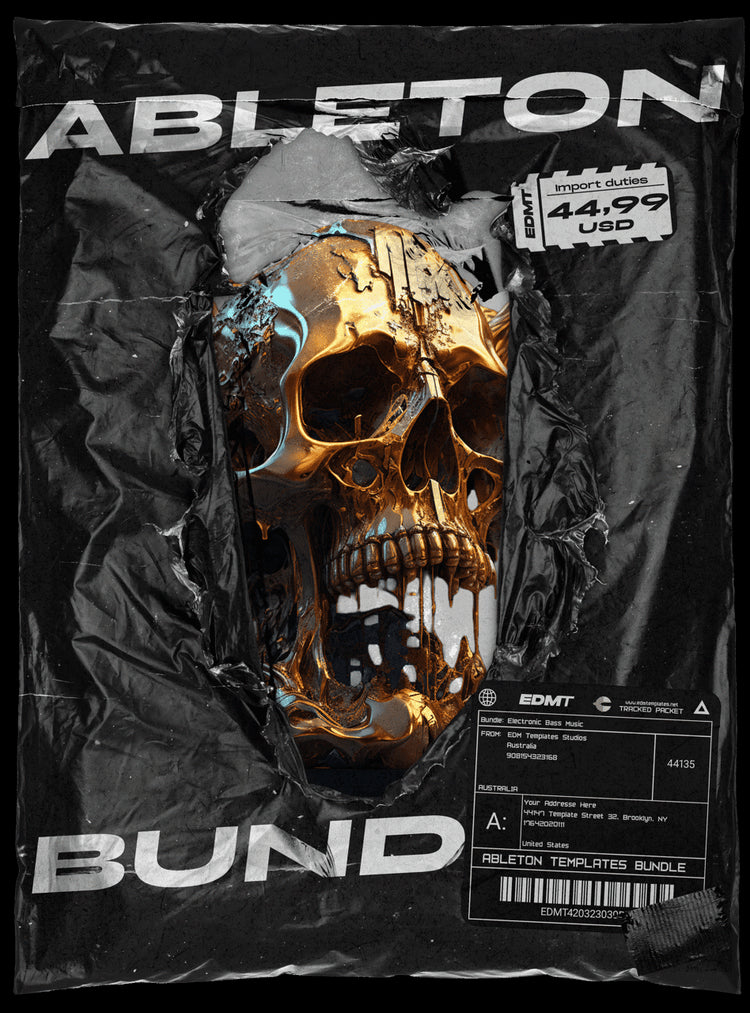
26-IN-1 ABLETON BUNDLE
Open 26 pro projects to see how your interface handles heavy loads.

16-IN-1 FL STUDIO BUNDLE
16 Complete Project Files to fast-track your FL Studio workflow.
Conclusion
Don't overthink it. If you have the budget, get the RME Babyface and never worry about drivers again. If you want character, get the UA Volt.
Just remember: The interface is just the tool. The music comes from you. Grab your gear, load up some high-quality samples, and start creating.